


A fellowship for scientists building the future of discovery.
The FutureHouse AI-for-Science Independent Postdoctoral Fellowship gives outstanding early-career scientists the tools, infrastructure, and intellectual freedom to lead bold research at the intersection of AI and biology.

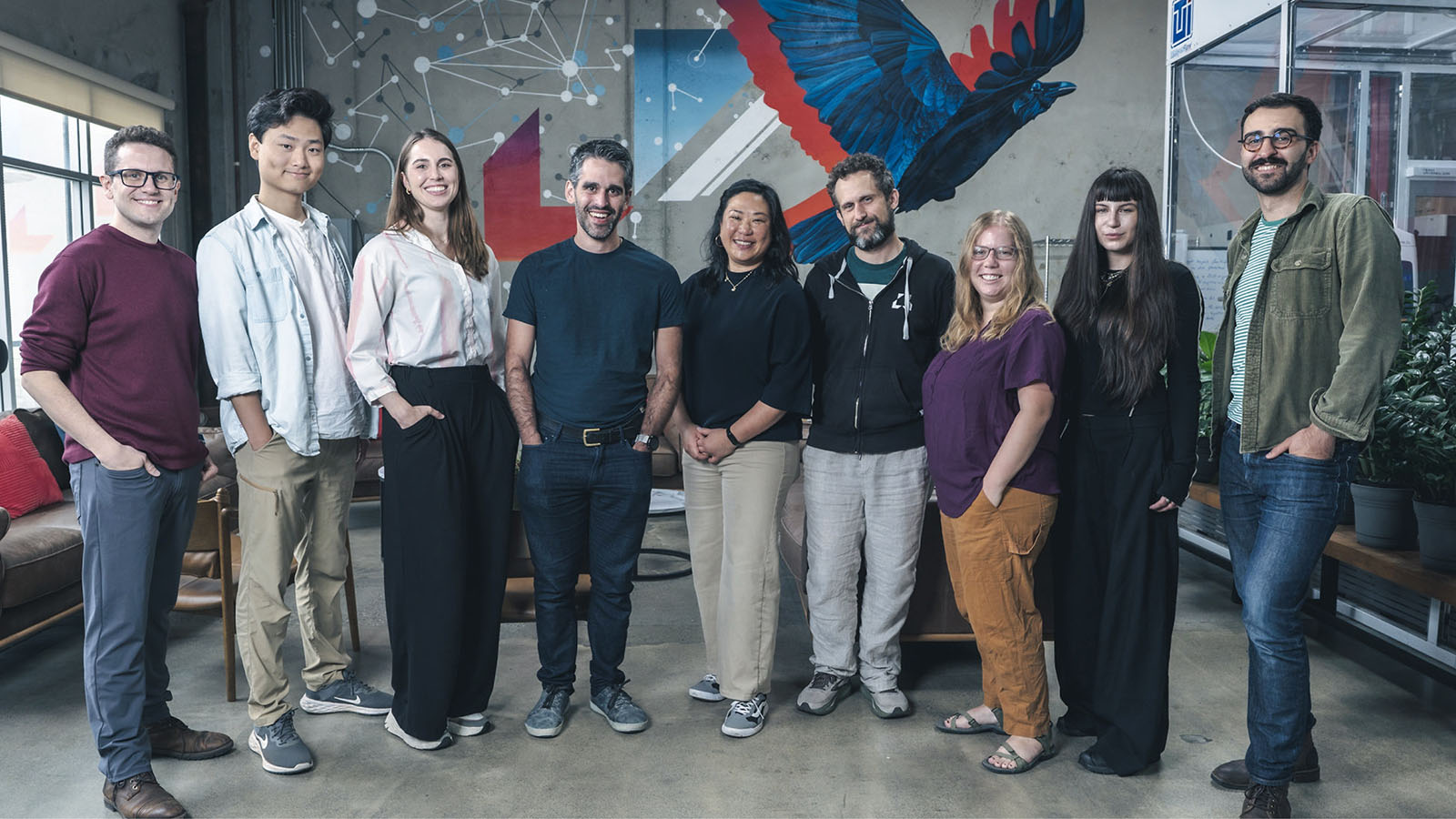
The Vision
About the Program
AI is changing how science gets done — but the most powerful AI systems risk staying concentrated in too few hands, out of reach for the academic and non-profit researchers best positioned to use them for the public good.
The FutureHouse Fellowship was built to change that. We place exceptional early-career scientists at the intersection of frontier AI and leading academic research, and give them what most fellowships can't: industry-grade compute, dedicated software engineering support, and mentorship from world-class academic co-advisors. Fellows engage the broader scientific community as AI-fluent leaders — spreading new tools, methods, and practices across their fields.
How the Fellowship Works
Fellows are employed directly by FutureHouse for a one-year term, with a possible extension for a second year. They divide their time between our San Francisco headquarters and their academic co-advisor's lab, with full access to FutureHouse's AI Scientists, compute resources, wet lab, and engineering team. We pay 100% of the stipend. The institution retains all project-related intellectual property.
We look for independent thinkers with a clear scientific vision and the ability to lead an AI-accelerated research agenda — and we provide the resources and environment that enable these scientists to do their best work.
IN Practice
What Fellows Are Working On
Here's a closer look at what our Fellows are pursuing — and why it matters.
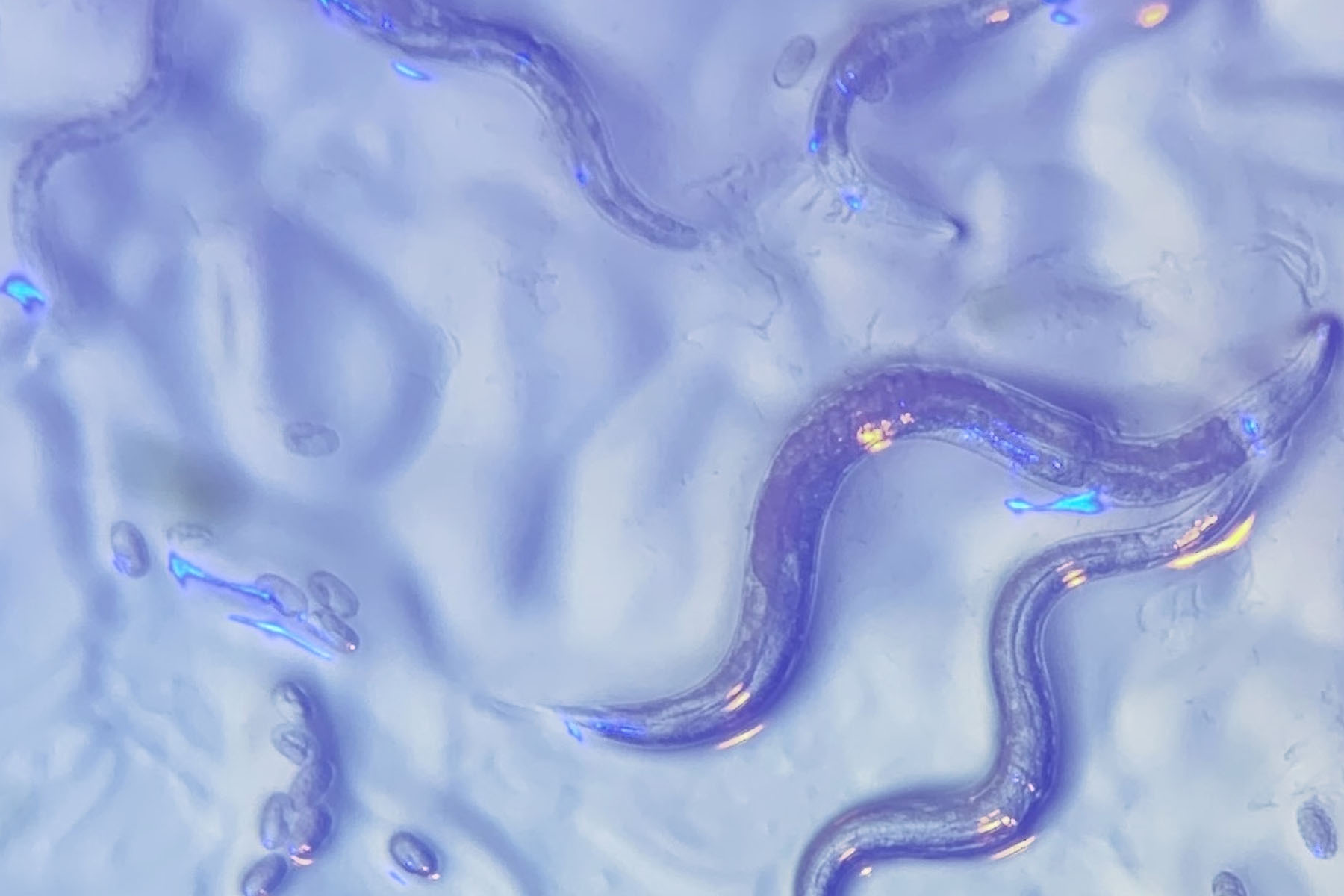
Outsmarting Parasites to Heal the Immune System
Blake Lash, a Fellow under the mentorship of Fei Chen at The Broad Institute, is developing a “virtual lab” to decode how parasitic worms suppress the human immune system. By analyzing 800 helminth genomes and millions of DNA and protein sequences, his work aims to uncover the molecular tricks parasites use to calm inflammatory responses. If successful, Blake’s work could lead to new anti-parasitic vaccines or therapeutics for immunological diseases.
Reprogramming Cancer
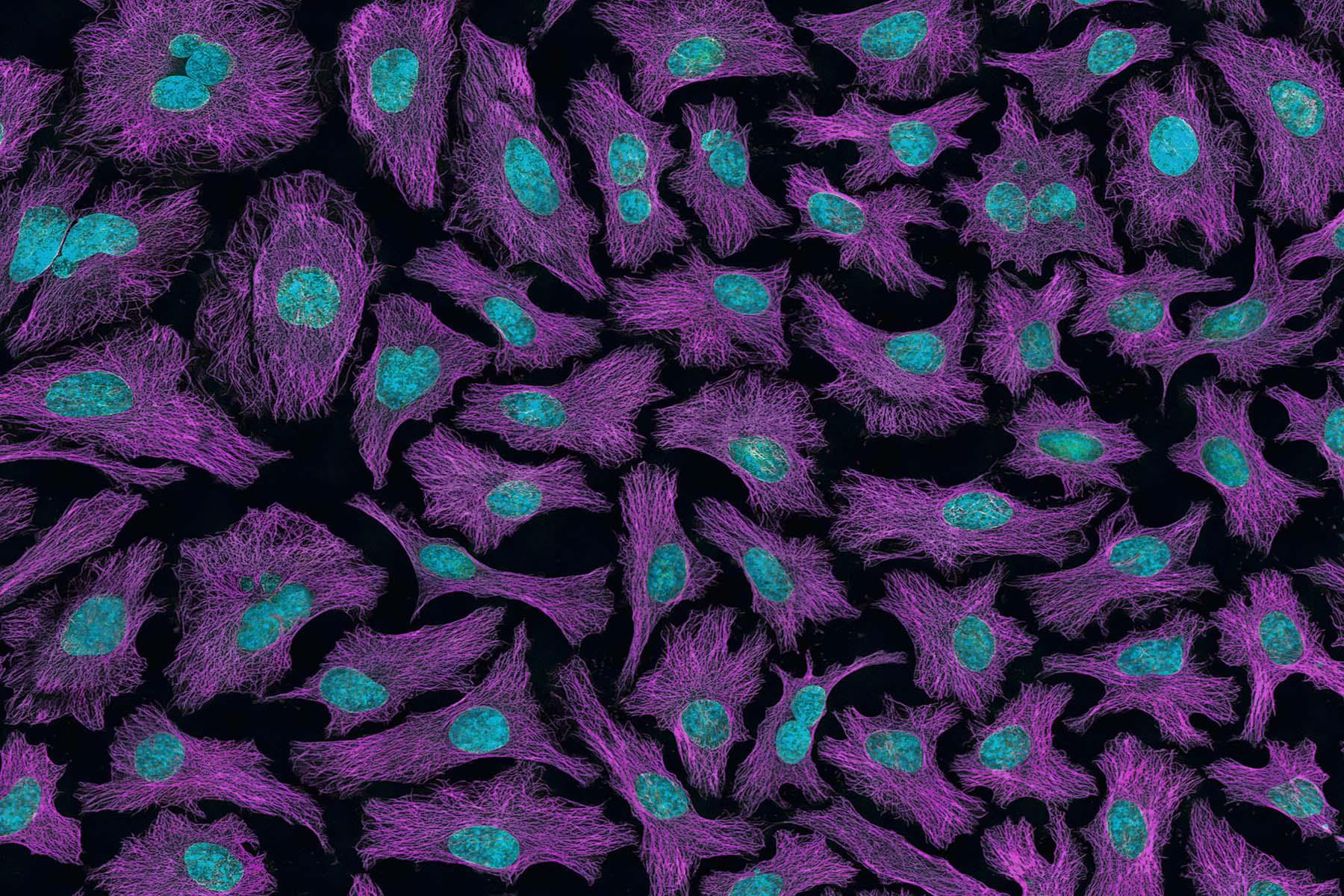
Philine Guckelberger, a Fellow co-advised by Jesse Engreitz at Stanford University, is leveraging advanced AI tools to decode how the 3D structure of DNA controls gene activity and understand how it breaks down in cancer. By analyzing millions of points of genomic data, her work aims to reveal the regulatory “switches” that drive uncontrolled cell growth and metastasis. Success could lead to therapies that reprogram genes and destroy cancer cells.
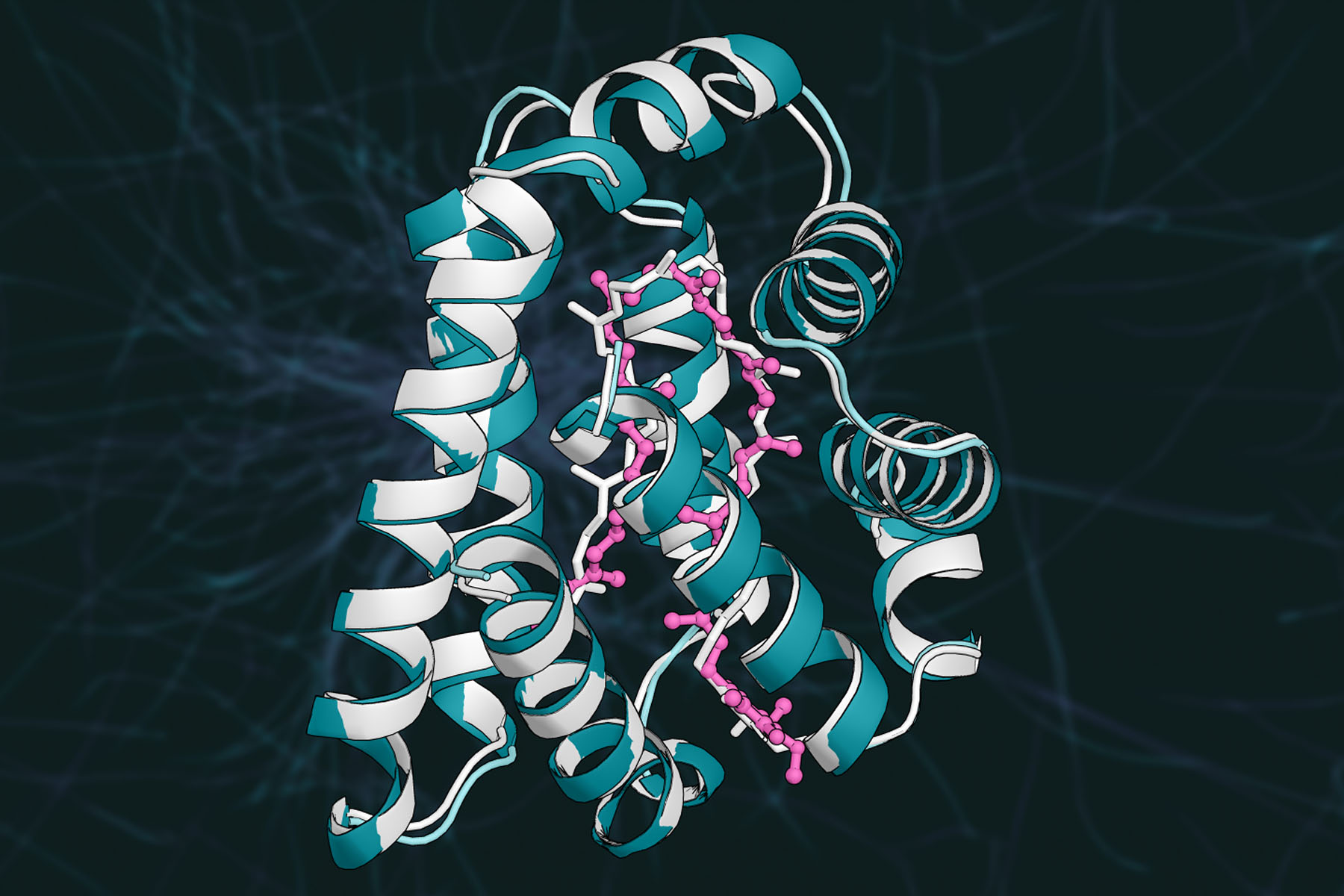
AI-Powered Enzyme Design for Next-Generation Chemistry
Chenghao Liu, a Fellow under the mentorship of Nobel Prize Winner Frances Arnold (Caltech), is building an AI system that can design new enzymes that open new frontiers in chemical synthesis. Success could transform multiple sectors, enabling advances in therapeutics development, industrial processing, and manufacturing.
The Scientists
Meet the Fellows
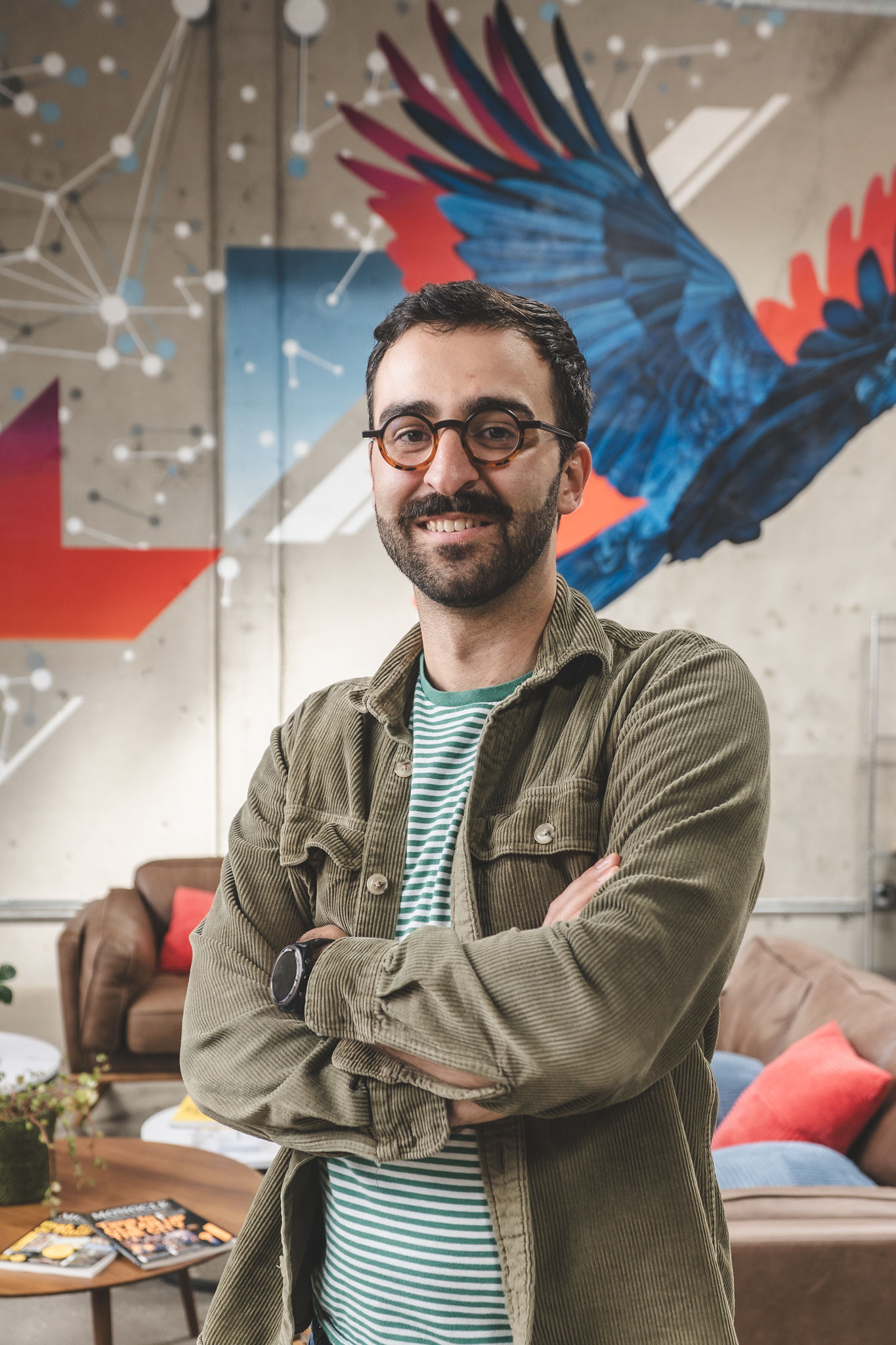
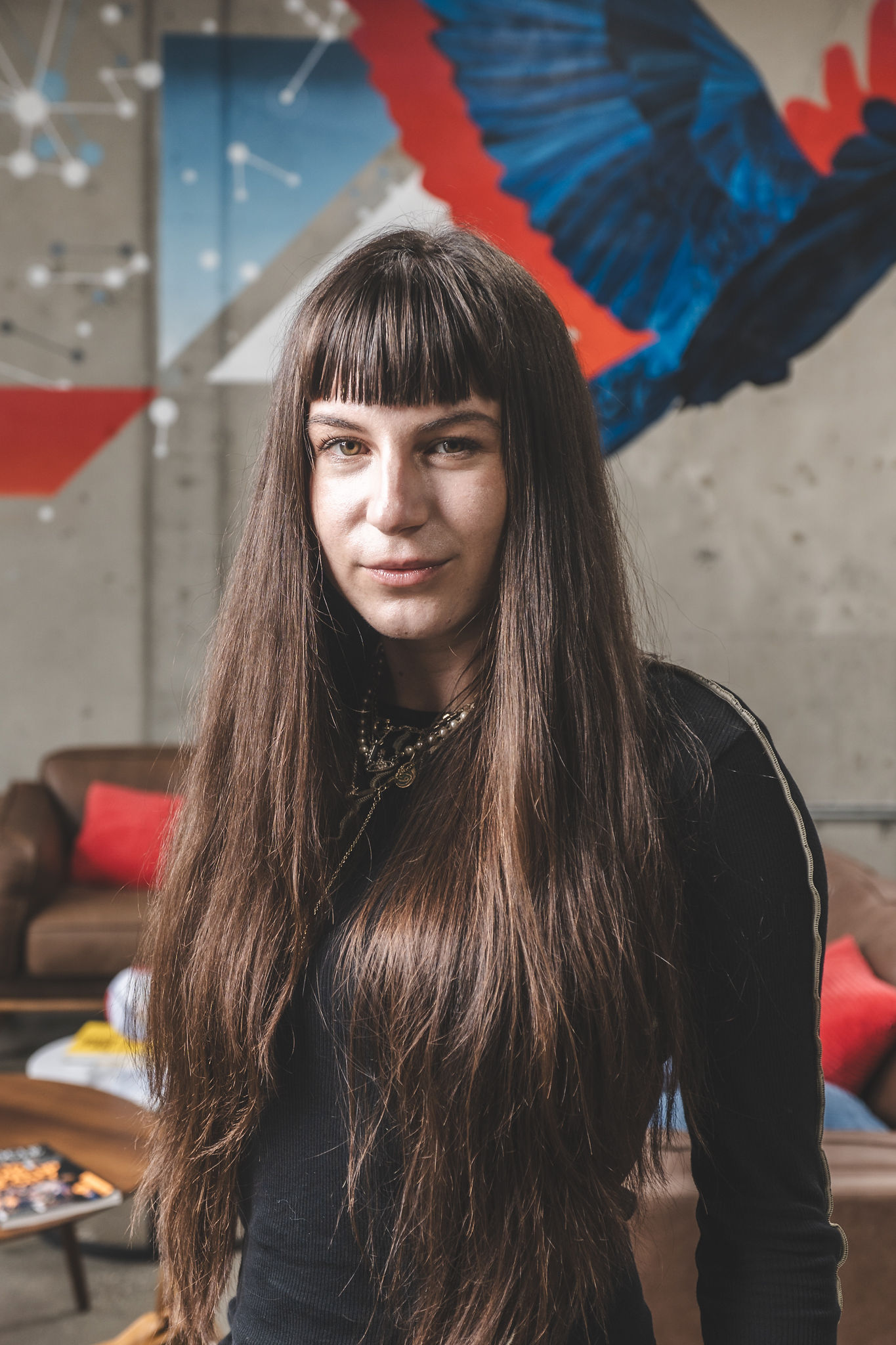
Philine Guckelberger
Philine is a molecular biologist fascinated by 3D genome architecture and epigenomic regulation.
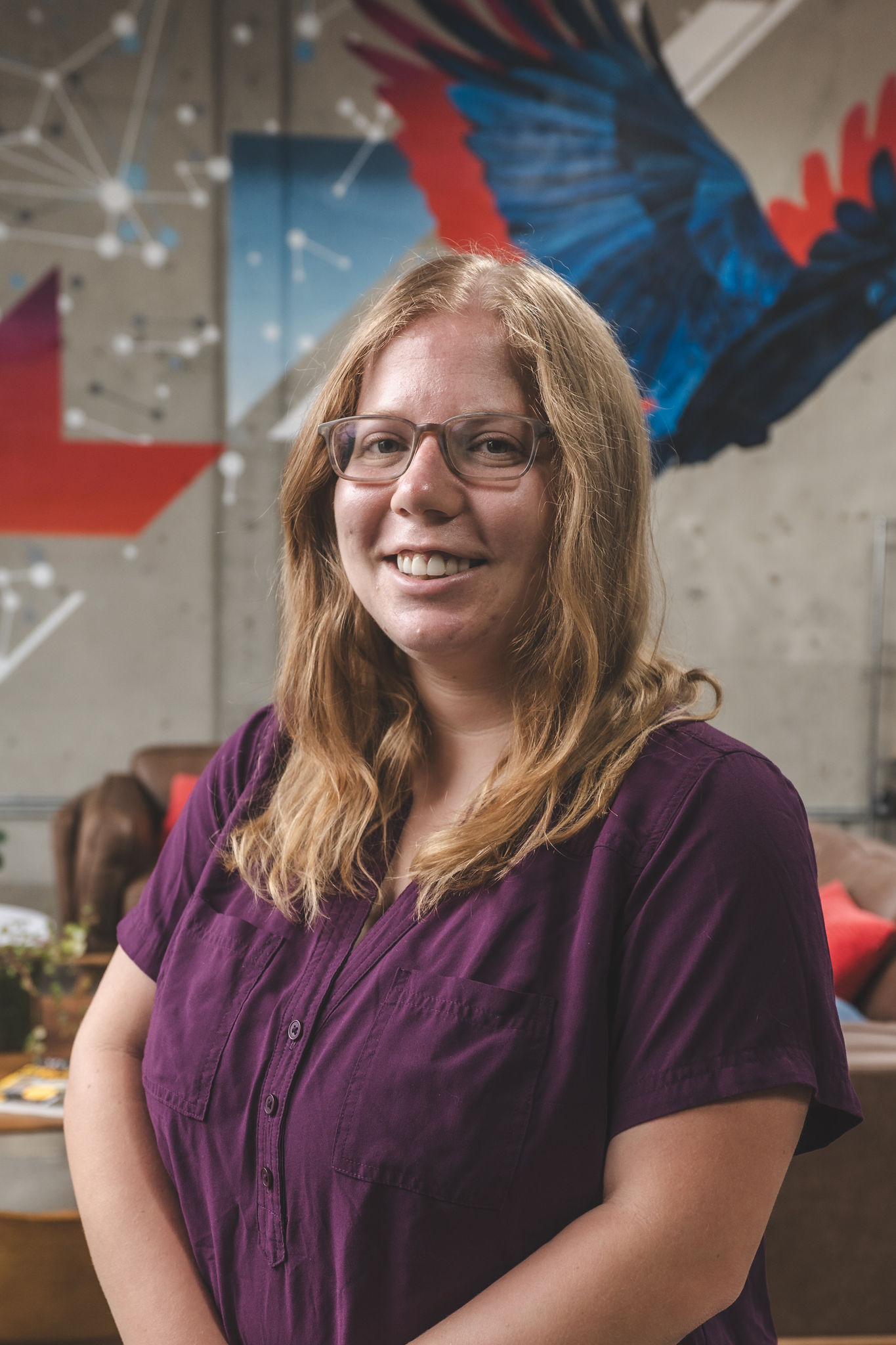
Sarah Gurev
Sarah is a machine learning researcher specializing in protein design and virology.
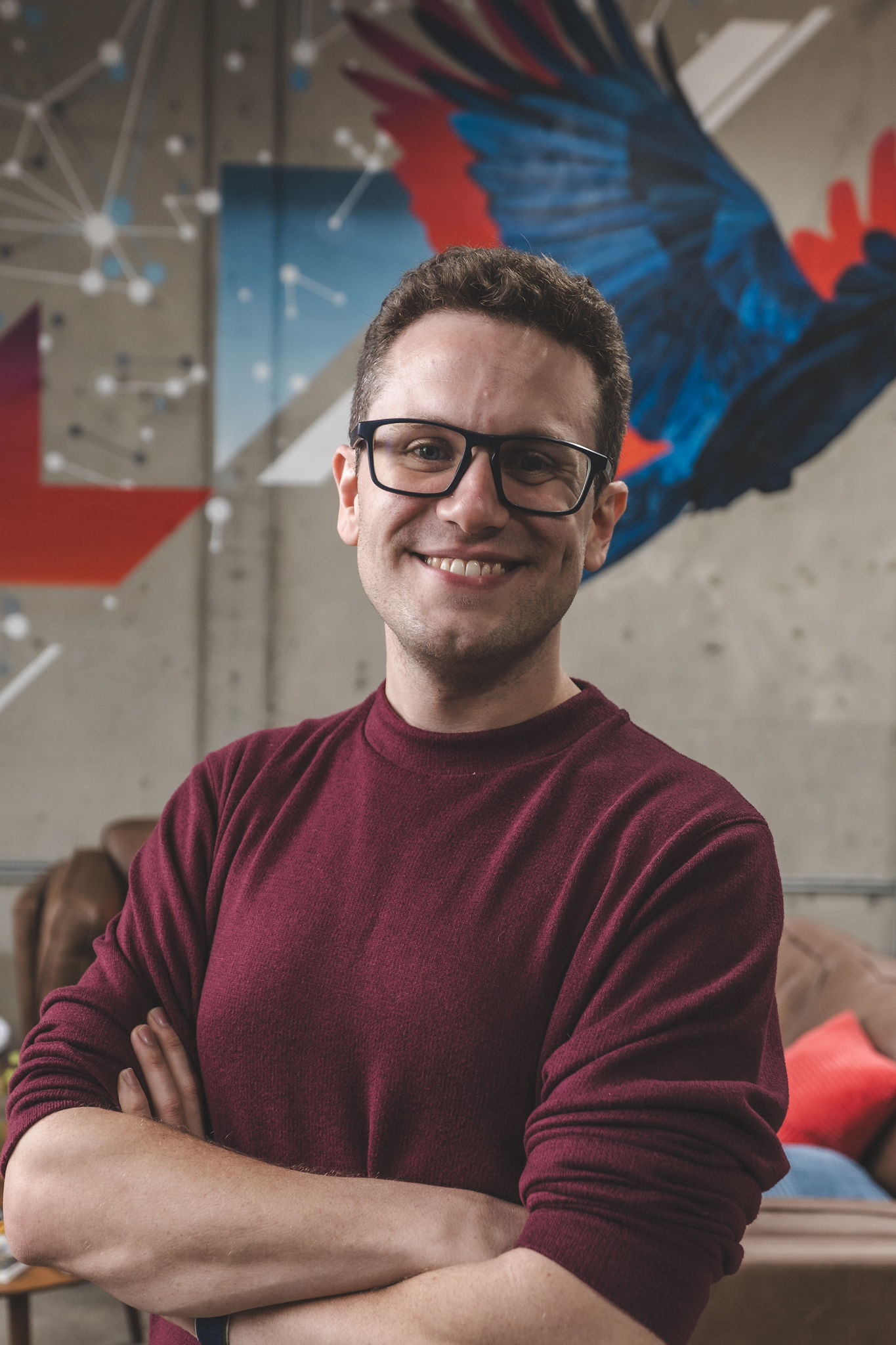
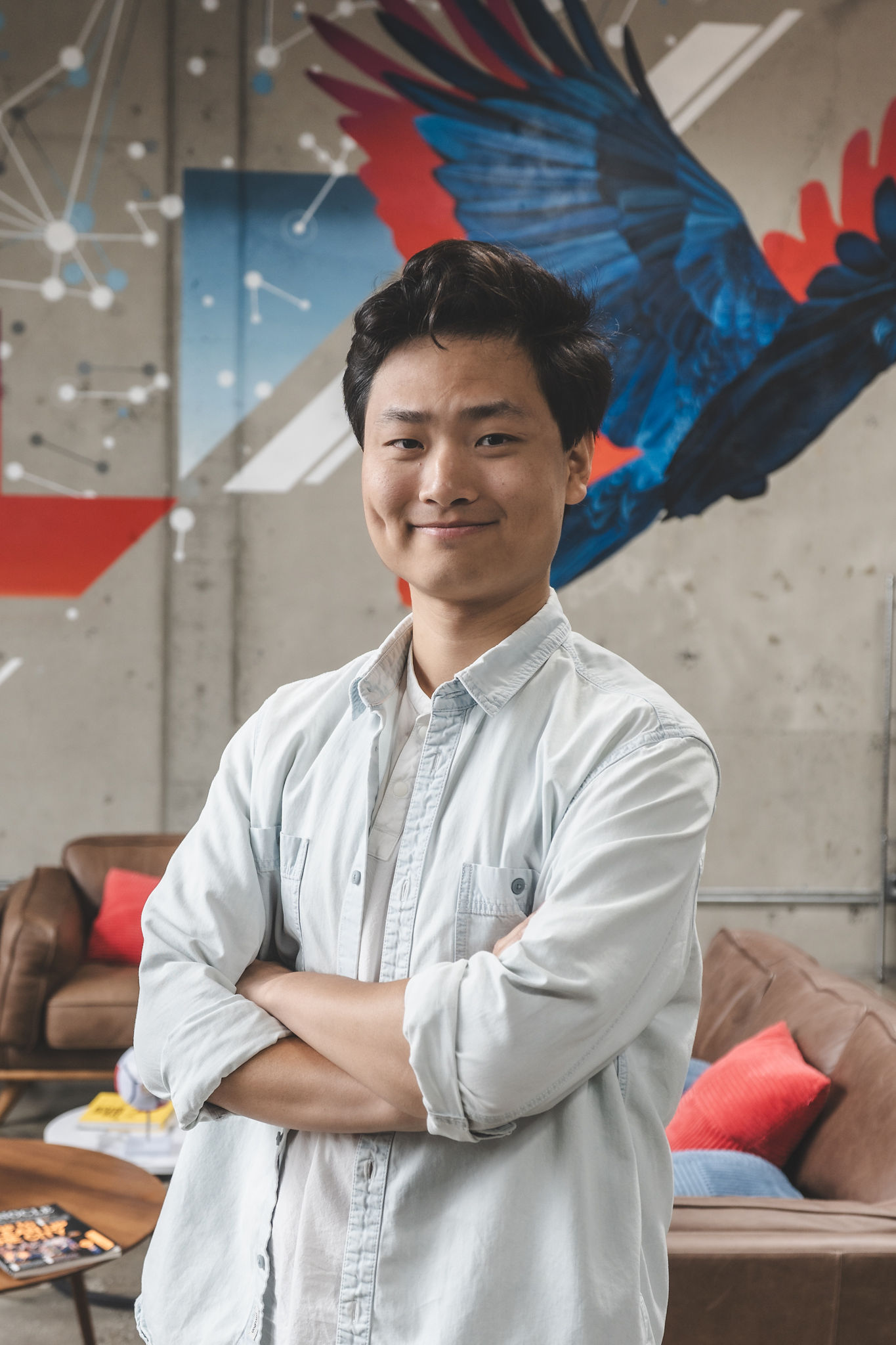
Chenghao Liu
Chenghao is a chemist and machine-learning scientist working at the interface of molecular design and emergent physical properties.
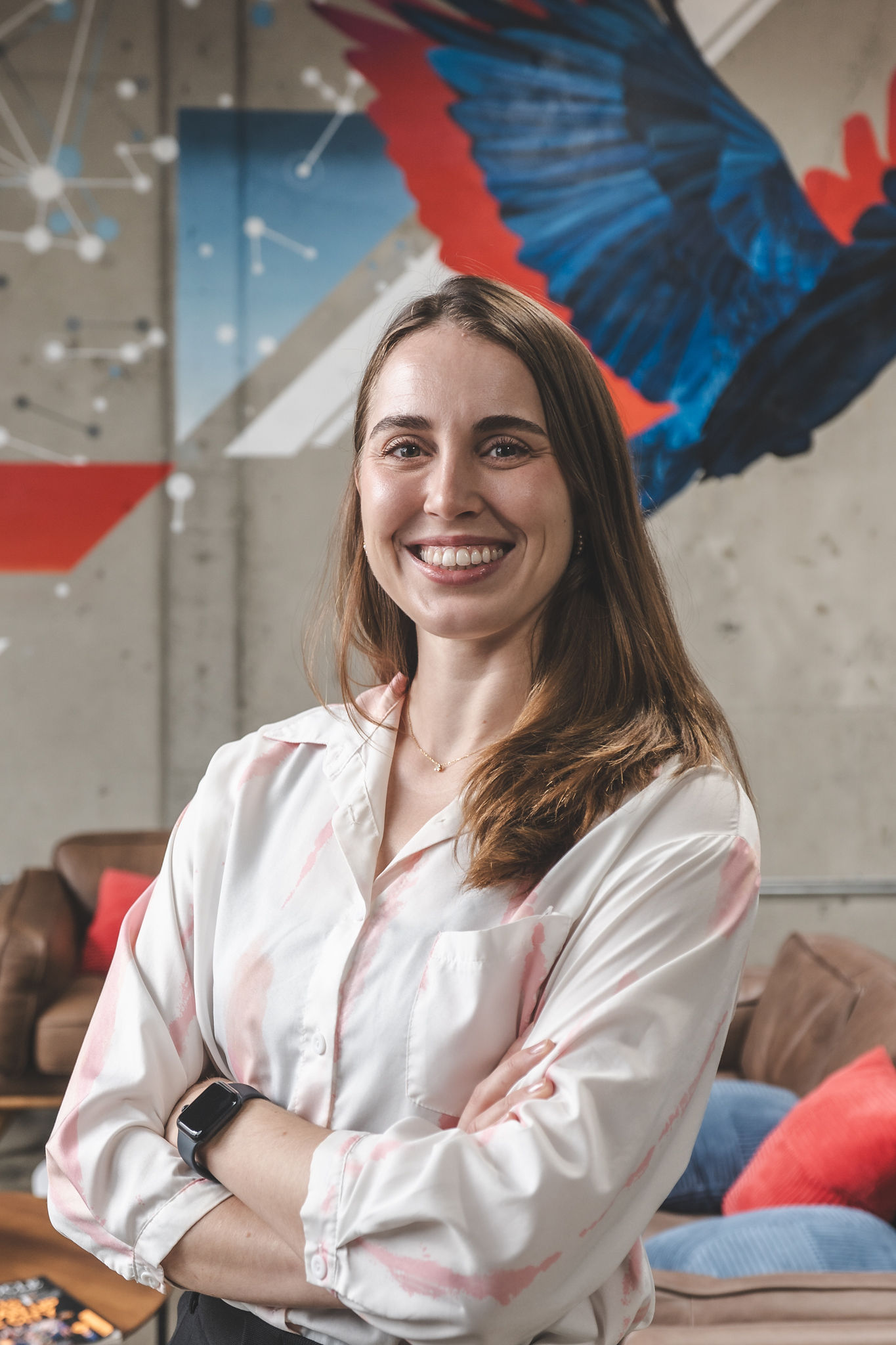
Laura Luebbert
Laura is a computational biologist specializing in machine learning methods for infectious disease discovery and triage.
Get Involved
How to Engage
The Fellowship works because of the people who make it possible — the Fellows who lead the research, the academic co-advisors who collaborate with them, and the philanthropic partners who fund their work.
%201.svg)
Apply
Recent PhDs and current postdocs with a clear AI-accelerated research agenda are encouraged to apply. Fellows lead their own research projects, get access to cutting-edge AI tools and compute, collaborate with dedicated engineers, and publish in their fields. Applications typically open in December.

Co-Advise
Co-advisors host a fully funded Fellow who brings AI fluency, frontier tools, and engineering support to research projects in their lab. FutureHouse pays the stipend; your institution retains the IP.

Sponsor
Sponsorship is a high-leverage way to accelerate research in a field you care about — funding an exceptional scientist working with frontier AI on science that matters to you.
Stay close to the work.
Get updates on the Fellowship, new cohorts, and FutureHouse research delivered to your inbox.

